The Mughal Family
A Central Asian prince descended from Timur and Genghis Khan invaded India, and his heirs ruled much of the subcontinent, leaving the Taj Mahal behind.
Family Tree
Family Members

Emperor · 1483–1530
Founded the Mughal Empire after his victory at Panipat in 1526, and wrote one of the first autobiographies in the Islamic world.
Notable Works
- First Battle of Panipat
- Baburnama
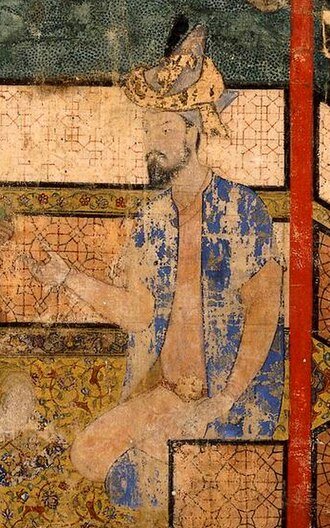
Emperor · 1508–1556
Babur's son, who lost the empire, spent fifteen years in exile, and recovered it shortly before his death.
Notable Works
- Mughal Emperor (1530–1540, 1555–1556)
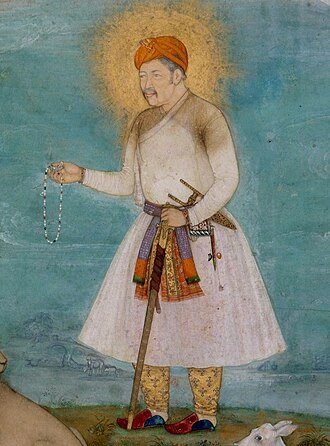
Emperor · 1542–1605
Humayun's son, who became emperor at thirteen and is remembered for expanding the empire and for his religious tolerance.
Notable Works
- Mughal Emperor (1556–1605)
- Fatehpur Sikri
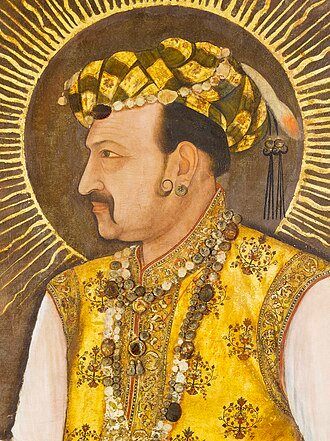
Emperor · 1569–1627
Akbar's son, a noted patron of painting whose wife Nur Jahan held exceptional power at court.
Notable Works
- Mughal Emperor (1605–1627)
- Tuzk-e-Jahangiri
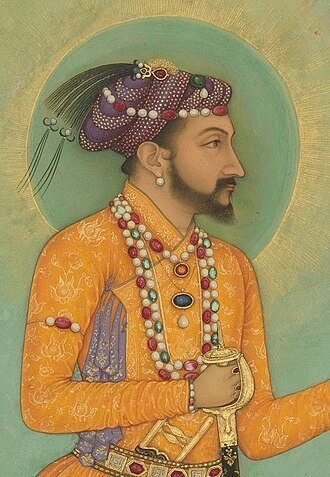
Emperor · 1592–1666
Jahangir's son, who built the Taj Mahal as a tomb for his wife Mumtaz Mahal and was later imprisoned by his own son.
Notable Works
- Mughal Emperor (1628–1658)
- Taj Mahal
- Red Fort
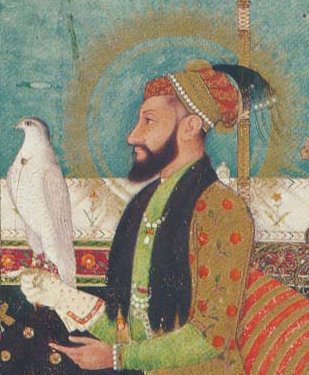
Emperor · 1618–1707
Shah Jahan's son, who seized the throne from his father and took the empire to its greatest extent.
Notable Works
- Mughal Emperor (1658–1707)